Wildlife
Wildlife of Nairobi National Park
Four of the Big Five, a dense rhino population and a full complement of plains game, all within sight of the city skyline.
The Big Four
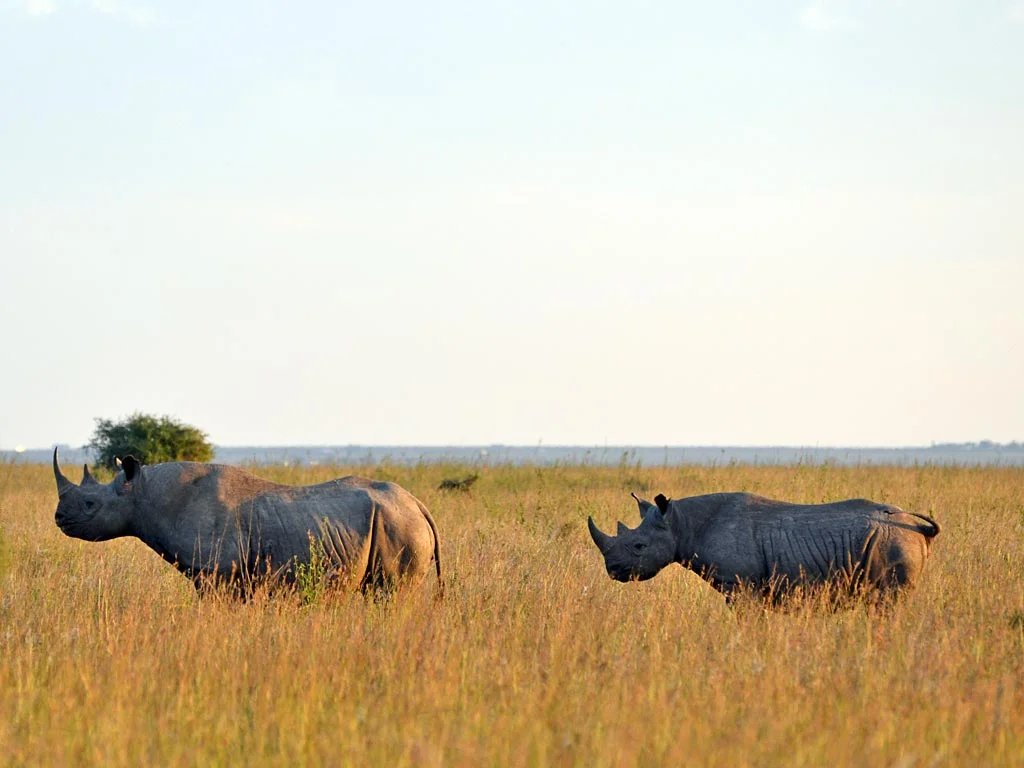
Nairobi National Park has no elephants — it is simply too small to sustain herds — but it makes up for it with lion, leopard, buffalo and one of Kenya's densest populations of black rhino, together with a healthy number of white rhino too.
- Black rhino — browsers with a hooked lip, protected here in a fenced sanctuary that offers some of the most reliable rhino sightings in Africa.
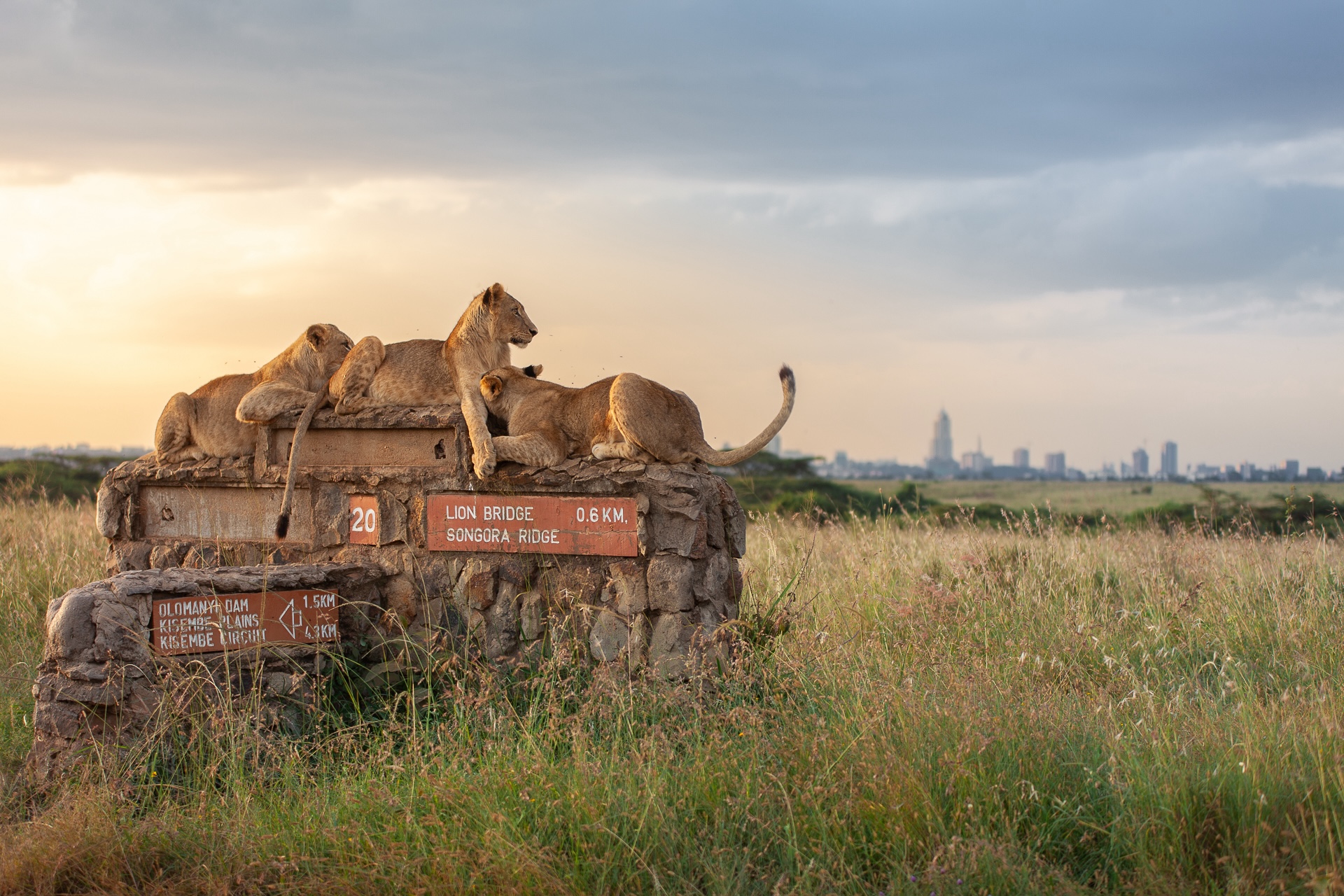
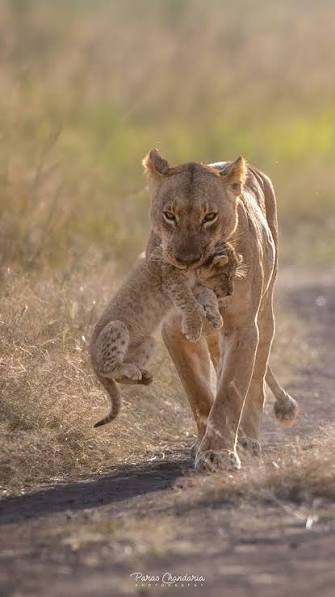
- Lion — several resident prides work the open plains and the Athi Basin, often seen resting in the grass with the city skyline behind them.
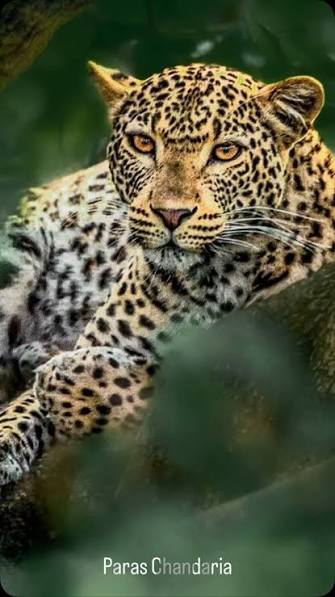
- Leopard — elusive and largely nocturnal, found in the riverine forest along the Mbagathi River and the rocky gorges to the west.
- African buffalo — large herds graze the grasslands throughout the year, frequently alongside zebra and giraffe.
No elephants
Visitors sometimes ask why elephants are absent. At only 117 square kilometres, the park cannot support elephant herds and their large home ranges. Instead, nearby visitors can see orphaned elephants at the David Sheldrick Wildlife Trust, right on the park's boundary.
Other mammals
- Cheetah on the open plains, particularly towards the Kitengela corridor
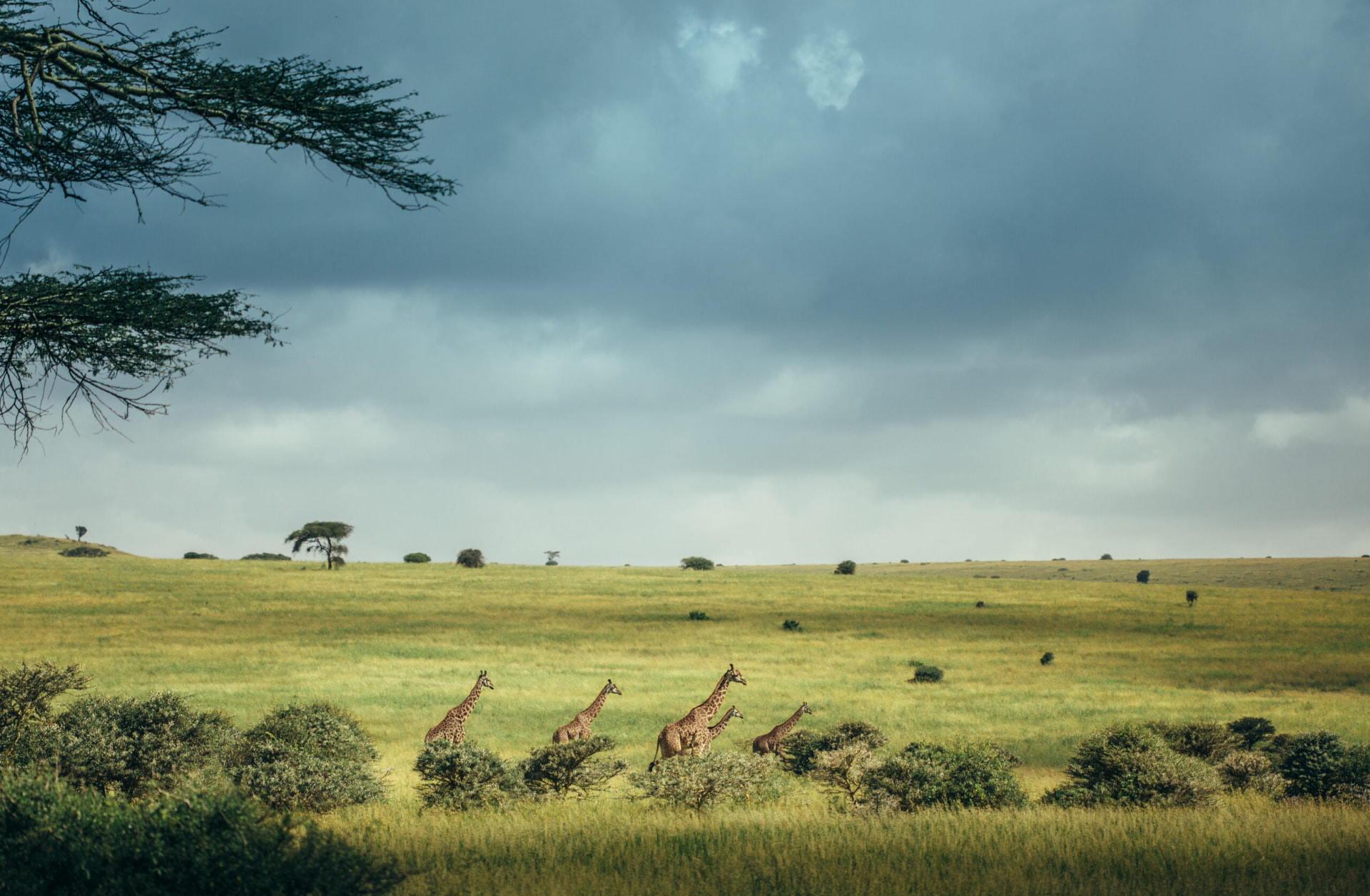
- Maasai giraffe, eland, zebra, hartebeest and Grant's gazelle
- Hippo in the Athi Basin dams and Hippo Pools on the Mbagathi River
- Olive baboon, vervet monkey and black-backed jackal
- Ostrich, warthog and impala across the grasslands
Where and when to look
The plains around the Athi Basin dams are excellent for lion, buffalo and giraffe, while the rocky valleys and forest edges to the west are the best bet for leopard. The rhino sanctuary in the centre of the park offers close, dependable sightings. Early morning and late afternoon drives give the coolest temperatures and the most activity.
From our guides
Our guides drive this park most days of the year, and the patterns below come from their own sightings books rather than from a brochure.
- Black rhino, western plains, first light. We most often find black rhino between the Nagolomon and Karen Primary junctions in the first hour after the gates open, while the grass is still cool and they are finishing the night's browsing. By about 09h00 they have usually pushed back into the thicket along the seasonal drainage lines and are far harder to pick out.
- Lion — listen before you look. The Athi Basin prides are easier to find by ear than by eye. Stop the engine near Hyena Dam or the Athi Dam causeway and listen for impala snorting or the alarm rattle of a go-away bird in one direction; that line usually leads to a pride lying up in the long grass within a few hundred metres.
- Leopard, Mbagathi riverine strip. Our most consistent leopard sightings are along the river between Hippo Pools and the Ololo boundary in the last 40 minutes of light. Scan horizontal fig and yellow-fever acacia limbs rather than the ground — a hanging tail is usually the first thing you see.
- Cheetah follow the Kitengela gazelle. When the Kitengela corridor is dry, Thomson's and Grant's gazelle push north into the park's southern plains, and cheetah follow within a week or two. From Ololo's boundary we can often see that movement building before it shows on drives.
- Hippo Pools on foot. This is the only place you can leave the vehicle, with an armed ranger. Go mid-morning: the hippos are settled, the riverine birding is at its best, and the walk fills the flat hour between the dawn and afternoon game peaks.
For birds, see our Nairobi National Park birdlife guide, and for the best months, read when to visit.
Wildlife in the park
Want the best guides in Nairobi National Park?
We know which properties have the strongest guiding teams and the best access to rhino and cat territory. Tell us your dates.