
When to go
Best time to visit Nairobi National Park
Nairobi National Park is a year-round destination. The right month depends on whether you prioritise sightings, photography, birding or a quiet visit.
The short answer
January to March and July to October are the best months for game viewing, because drier conditions draw wildlife to permanent water sources such as the Athi Basin dams and Hippo Pools. April, May and November bring rain, green landscapes and superb birding.
Climate
Sitting above 1,600 metres, Nairobi National Park is noticeably cooler than Kenya's lowland parks. Daytime temperatures usually sit between 22°C and 26°C, dropping to around 12°C at night. Long rains fall from April to May and short rains in November, though both are often brief afternoon showers rather than all-day downpours.
January
Dry and warm. Wildlife concentrated near permanent water, clear skies and strong photography light.
February
One of the driest months. Excellent, reliable sightings across the plains and around the Athi dams.
March
Still dry with the first storms possible late in the month. Very good game viewing, fewer visitors.
April
Long rains begin. Green and quiet, with some tracks becoming muddy after heavy downpours.
May
Rains continue. Lush landscapes, excellent birding, and the lowest visitor numbers of the year.
June
Rains ease. Cooler mornings, thinning vegetation and improving sightings.
July
Dry season begins in earnest. Reliable game viewing and comfortable, cool temperatures.
August
Dry conditions continue with excellent predator activity on the open plains.
September
One of the best months: dry, clear and busy with wildlife around the dams.
October
Hot and very dry before the short rains. Outstanding sightings around remaining water sources.
November
Short rains bring afternoon showers, migrant birds and green flushes. Good value and quieter roads.
December
Rains ease. Green landscapes with strong game viewing; festive period can be busier.
From our guides
These are the seasonal patterns our own guiding team relies on, based on years of driving the park several times a week.
- Late February and early March are quietly the best weeks. The grass is short and burnt down, water is limited to the Athi dams and Hippo Pools, and game is forced into predictable places. Visitor numbers have dropped off after the festive period, so sightings are rarely crowded.
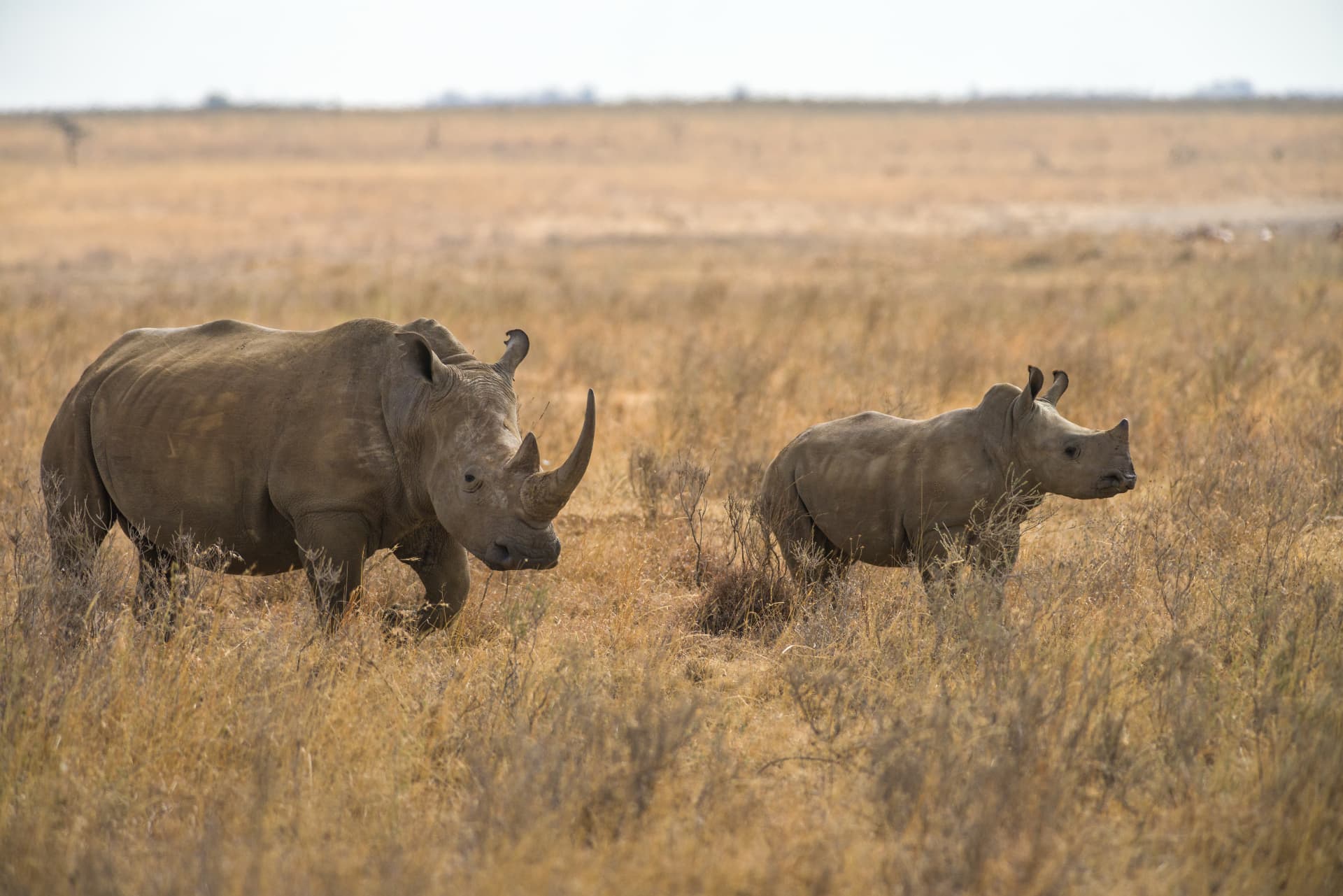
- Don't write off the long rains. April and May are the months we recommend to photographers and birders. Storm light over the plains with the skyline behind it is the shot people come here for, migrant birds are in, and you can have a rhino sighting entirely to yourself. Take a vehicle with proper clearance — the black cotton soil in the west holds water for days.
- July to October predator activity is the most reliable. With the Kitengela plains dry, plains game concentrates inside the park and the Athi Basin prides hunt hard. This is also when we see cheetah most regularly on the southern grasslands.
- Time of day matters more than month. A 06h00 gate entry in the middle of the rains will nearly always beat a 10h00 start in peak dry season. If you only have one window, take the dawn slot.
When to book
Because Nairobi National Park is a half-day or full-day excursion rather than a multi-night stay, it can usually be arranged with a few days' notice. For accommodation within or near the park during the July to October peak, book a few weeks ahead, particularly around the festive period.
Related guides
- Plan your visitFees, hours, gates, weather and packing guides.
- WildlifeLions, rhino, giraffe and the rest of the park's game.
- Park feesCurrent KWS entry rates for residents and non-residents.
- Day safarisHalf-day and full-day private game drives with pricing.
- How to get thereGates, drive times and airport transfers.
Not sure which month suits you?
Send us your rough dates and priorities and we will tell you honestly what to expect.